
Fit to Work (2026)
Fit to Work (2026)

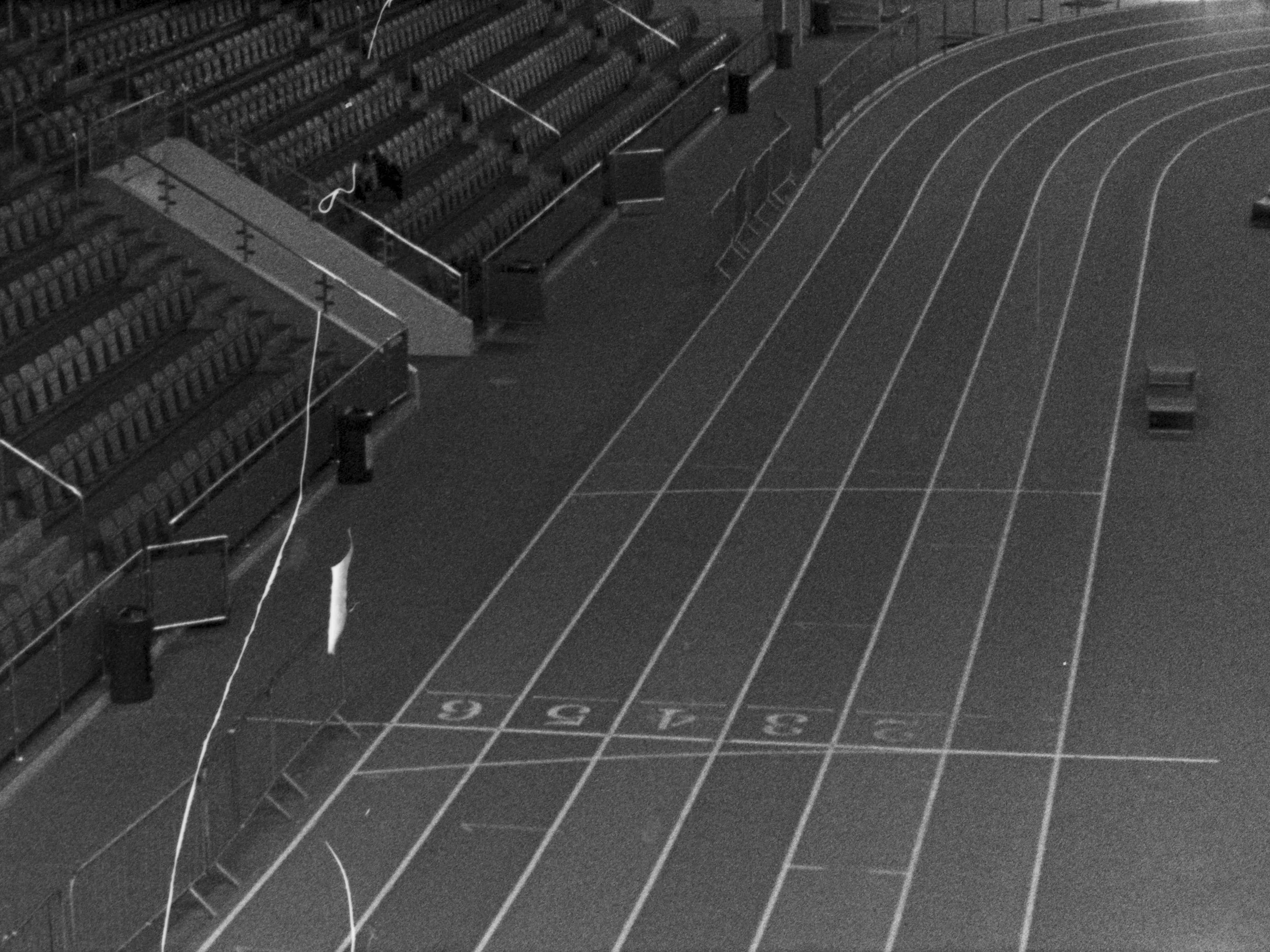
14 minutes, b&W 16mm film, hand-processed and dyed and transferred to digital video.
  Fit to Work  takes its textual cues from a range of historical sources, most prominently, the Socialist Patients Collective (SPK) - a health justice group founded in Germany in 1970.
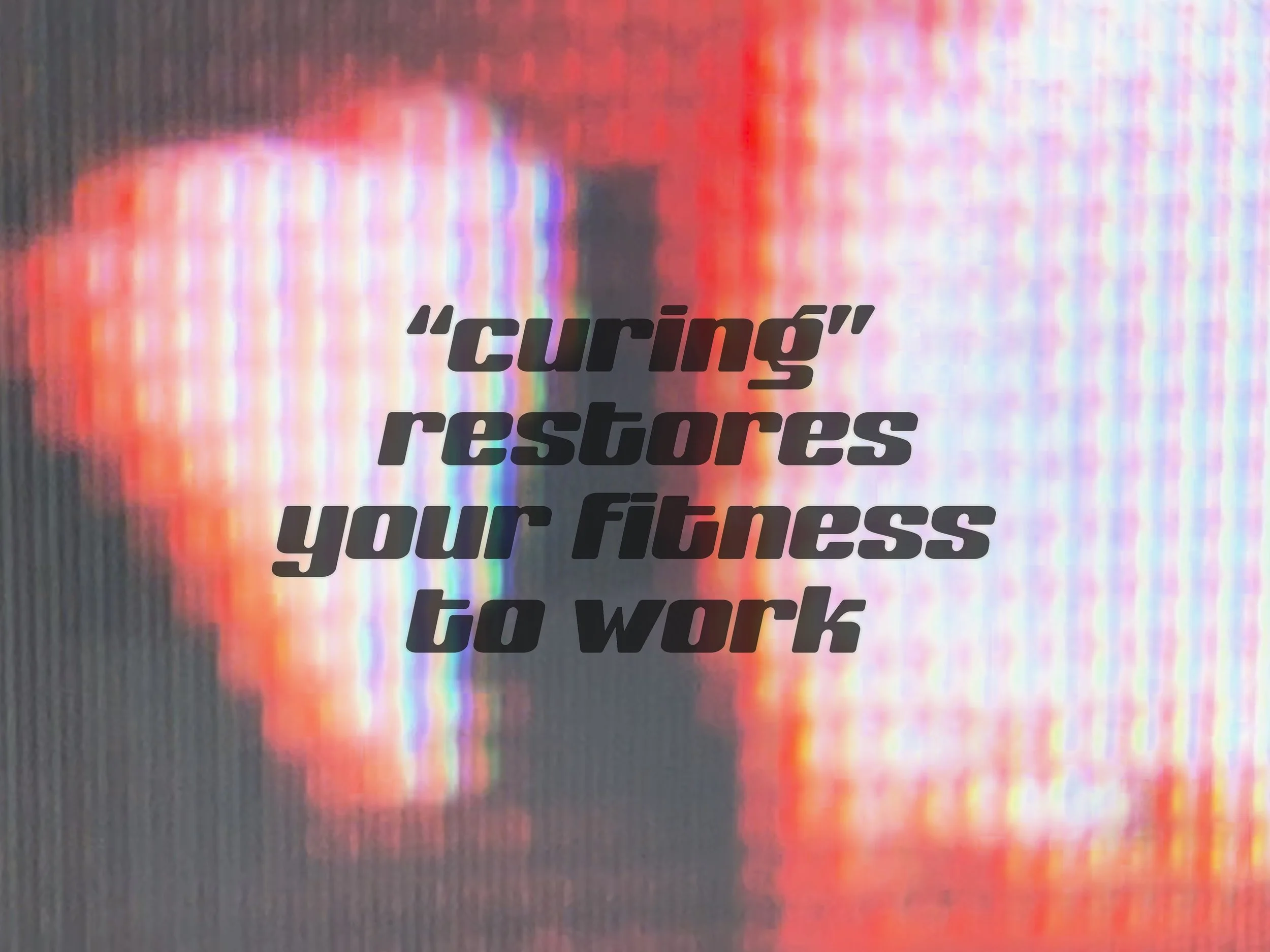
Fit to Work takes its textual cues from a range of historical sources, most prominently, the Socialist Patients Collective (SPK) - a health justice group founded in Germany in 1970.

 By overlaying SPK’s thinking onto a post-industrial urban landscape, Fit to Work reveals how a city’s infrastructure is laced with the residue of the past, forging an image of capitalism’s capacity to render the body both valuable and disposable.

By overlaying SPK’s thinking onto a post-industrial urban landscape, Fit to Work reveals how a city’s infrastructure is laced with the residue of the past, forging an image of capitalism’s capacity to render the body both valuable and disposable.

 The film has been developed with beer and coffee and tinted with rusted metal. It features a soundtrack made from the sounds and music of a post-industrial city.

The film has been developed with beer and coffee and tinted with rusted metal. It features a soundtrack made from the sounds and music of a post-industrial city.

Fit to Work (2026)
  Fit to Work  takes its textual cues from a range of historical sources, most prominently, the Socialist Patients Collective (SPK) - a health justice group founded in Germany in 1970.
 By overlaying SPK’s thinking onto a post-industrial urban landscape, Fit to Work reveals how a city’s infrastructure is laced with the residue of the past, forging an image of capitalism’s capacity to render the body both valuable and disposable.
 The film has been developed with beer and coffee and tinted with rusted metal. It features a soundtrack made from the sounds and music of a post-industrial city.
Fit to Work (2026)

14 minutes, b&W 16mm film, hand-processed and dyed and transferred to digital video.

Fit to Work takes its textual cues from a range of historical sources, most prominently, the Socialist Patients Collective (SPK) - a health justice group founded in Germany in 1970.

By overlaying SPK’s thinking onto a post-industrial urban landscape, Fit to Work reveals how a city’s infrastructure is laced with the residue of the past, forging an image of capitalism’s capacity to render the body both valuable and disposable.

The film has been developed with beer and coffee and tinted with rusted metal. It features a soundtrack made from the sounds and music of a post-industrial city.

show thumbnails